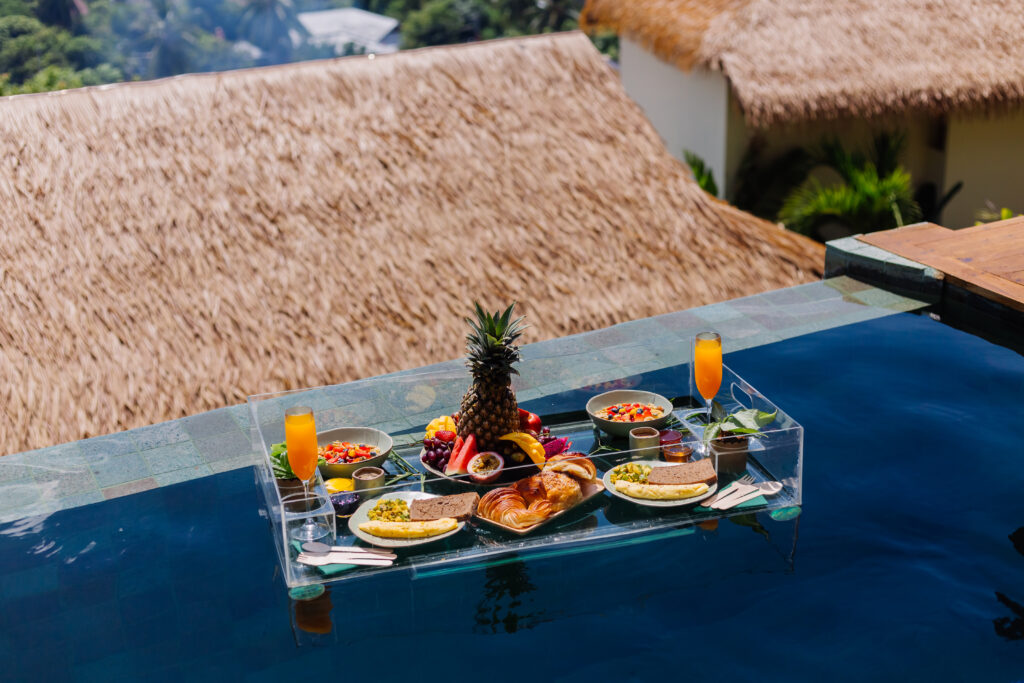
While tourists flock to resort buffets, locals enjoy innovative and delicious food that surpasses typical tourist experiences, making this region a destination for authentic Mexican cuisine.
The region stretches 800 miles along the Pacific Coast and has access to some of the freshest seafood available. From fishing villages to farm-to-table restaurants, this state is where food culture meets adventure.
Elite Mexico Tours specializes in food and cultural experiences across the border. We’ll show you exactly where to go and what to order when you visit Baja California. This guide covers the real food destinations that most travel websites miss entirely.
Why Baja California Is a Rising Food Destination
Baja California has transformed into a serious culinary destination over the past decade. Chefs from Mexico City and Los Angeles have opened restaurants here. They come for the fresh ingredients and the freedom to experiment. For more information, check out our Fast Pass Tijuana service.
Restaurants here source ingredients that are harvested the same day. Fish arrives at the market in the morning and is on your plate by dinner.
The food culture blends indigenous Baja traditions, Spanish influence, and California cuisine. You’ll find ingredients like nopales, chilies, and fresh catch prepared in ways that honor heritage while pushing boundaries.
Coastal Seafood: Where to Eat Like a Local
The Pacific fishing communities of Baja California serve the freshest seafood you’ll ever taste. Puerto Nuevo, located about 30 minutes south of Tijuana, is famous for lobster. The village has remained almost unchanged for decades.
In Puerto Nuevo, order the langosta a la mantequilla (butter-poached lobster). Restaurants like El Galeón and Ortega’s have been family-run for generations. A full lobster dinner with sides includes the lobster, beans, rice, and warm tortillas.
Ensenada, 90 minutes south of the border, is where the real fishing happens. The harbor stays active 24 hours a day. Fresh ceviche, grilled fish, and oysters are available at street stands and small restaurants near the waterfront.
Visit the Mercado Negro (black market fish market) at 6 AM. Fishermen sell directly to locals at wholesale prices. You can buy fresh shrimp, whole fish, and octopus to take back or have a nearby stand prepare it for you.
Oysters from the Benito Juárez beds are served raw at small tasting bars along the beach. The oysters are harvested daily and stay alive in saltwater tanks.
Street Food and Market Treasures
The real food of Baja California happens on the streets. Every neighborhood has vendors selling specialties you won’t find anywhere else. Elite Mexico Tours takes guests to neighborhoods most tourists never see.
In Tijuana, head to the Zona Centro (downtown) early in the morning. Street vendors make fresh tamales from 5 AM onward. Order several varieties: rajas con queso (poblano peppers with cheese), elote (corn and cream), and carne asada (seasoned beef).
Tacos de camarón (shrimp tacos) are a Baja specialty. Vendors fry fresh shrimp, then serve them in soft corn tortillas with cabbage and a special house sauce. The sauce is usually lime, mayo, and hot peppers blended together.
The fish tacos here are different from California versions. Baja cooks use a beer-battered white fish that’s light and crispy. They don’t use baja or mahi-mahi exclusively. Local halibut and flounder work just as well.
Visit the Central de Abastos (central market) in any city. The produce section shows what’s actually in season. You’ll see mangoes, papayas, and avocados piled high in summer. In winter, you’ll find citrus and fresh greens. Local restaurants buy here, and so should you if you’re staying in a rental.
Mercados also have prepared food sections. Vendors make fresh salsas, tamales, and cooked meats. Grab a plastic plate and build your own meal. This is how locals eat when they’re in a hurry.
Wine Country Dining in Valle de Guadalupe
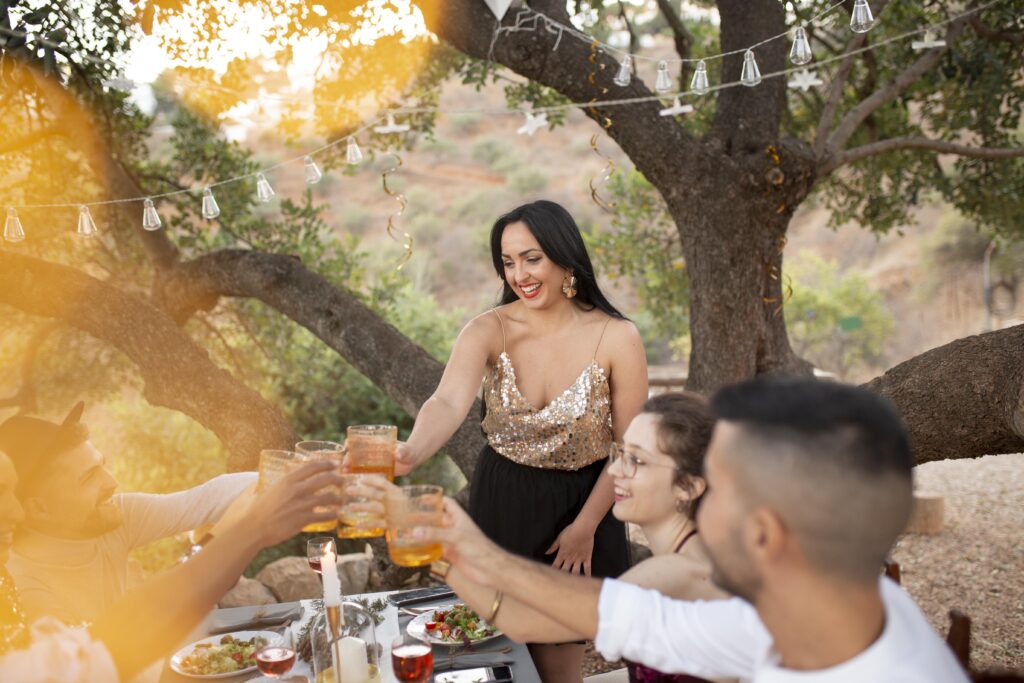
The Valle de Guadalupe (Guadalupe Valley) is a wine region in Mexico. It’s located about 30 minutes south of Ensenada. The valley produces world-class wines at a fraction of California prices.
Wine tastings pair with food grown in the same soil. Most tasting rooms also have restaurants or can recommend nearby spots.
Casa de Piedra focuses on seasonal cuisine. Chefs use produce from the valley’s farms. The mole negro (dark chile sauce) uses local spices and tastes nothing like mole you’ve had before.
Laja is a restaurant located in Valle de Guadalupe. Chef Javier Plascencia creates refined dishes with Baja ingredients. Reservations fill months in advance, but Elite Mexico Tours can often arrange access for groups.
The valley produces Tempranillo, Cabernet Sauvignon, and white blends. Summer temperatures hover around 85°F in the day and cool to 60°F at night. This temperature swing creates ideal growing conditions.
Ready to Experience Baja’s Food?
Let Elite Mexico Tours guide you to hidden restaurants and local markets
Farm-to-Table and Local Chef Restaurants
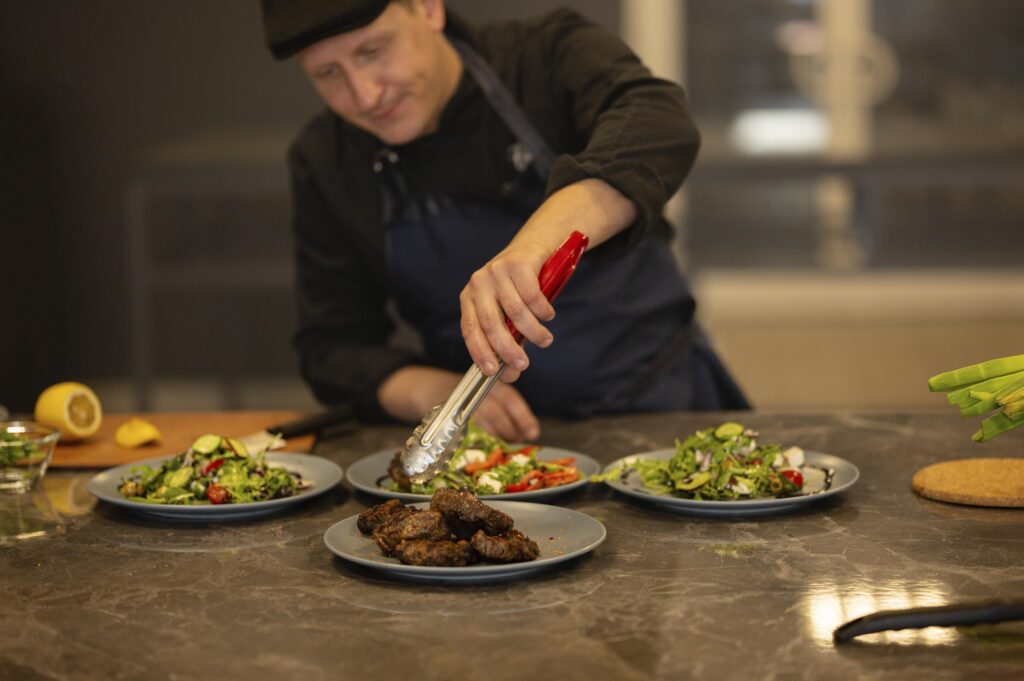
Baja California’s farm-to-table movement is alive and thriving. Restaurants work directly with farmers and fishermen. Menus change weekly based on what’s available.
Manzanilla in Ensenada sources ingredients from local producers within 50 miles. The menu features fresh fish, seasonal vegetables, and house-made pasta. The restaurant opens at 6 PM only, and closes by 10 PM.
The chef’s counter at Manzanilla seats eight people and offers a seven-course tasting menu. You watch the kitchen work as they prepare your meal. This experience books out months ahead.
In Tijuana, Qué Hay Fonda serves traditional Baja food elevated. Chef Omar Rodriguez sources heirloom chile varieties from local farms. The chile relleno (stuffed pepper) changes based on the season and what’s available.
Birriería Zaragoza in Ensenada has been making birria (slow-cooked meat stew) for 25 years. The broth simmers overnight with chile guajillo, ancho, and regional spices. Most locals order multiple cups to drink, then ask for tortillas to make tacos with the meat.
Specialty Foods and Unique Dishes You Must Try
Baja California has dishes that exist nowhere else in Mexico. These are worth making a special trip to find.
Aguachile: The Signature Dish
Aguachile is Baja’s most famous dish. It’s raw shrimp cured in lime juice and habanero chiles. The name means “chile water.” The shrimp stays pink because the lime acid doesn’t cook it like heat would.
Good aguachile should taste of sweet shrimp, bright lime, and heat from the chile. Red onions and cilantro provide balance. Order it at any seafood restaurant or market stall. Eat it within 30 minutes of ordering for better texture.
Ceviches and Raw Fish Preparations
Ceviche in Baja uses local white fish instead of just shrimp. Tostadas topped with ceviche are common. The fish is raw but “cooked” by lime juice. This process takes 15-20 minutes.
Buy several and taste different versions. Some vendors add avocado. Others use only lime, salt, and cilantro. You’ll quickly discover your favorite style.
Chiles and Moles
Local chiles like the chile de árbol and guajillo form the base of regional cooking. Mole negro (dark mole) is more complex than the red mole found in other parts of Mexico. It uses up to 25 ingredients including chocolate and plantain.
Restaurants serve mole with chicken, turkey, or seafood. If you love spices and depth of flavor, order mole at every restaurant you visit.
Planning Your Food Destination Visit
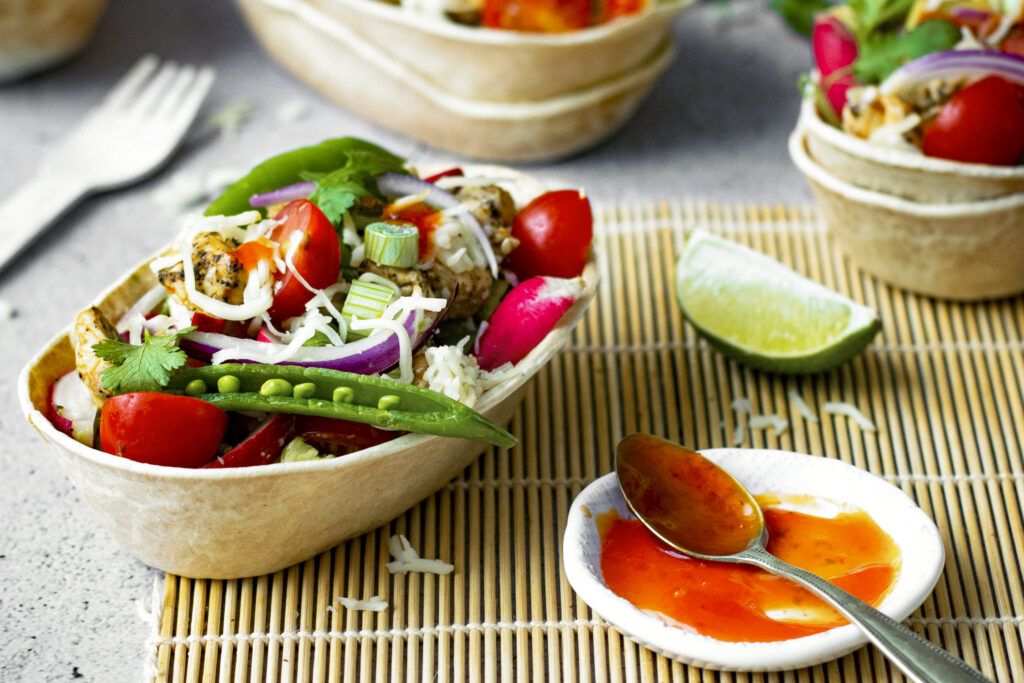
Visit Baja California during harvest seasons to eat well. Summer runs June through September. Fall (September through November) brings new wine releases and fresh produce.
Winter (December through February) means citrus season and cooler temperatures. Spring (March through May) is warm and dry. Food festivals happen year-round but concentrate in fall and spring.
From San Diego, the border crossing at San Ysidro takes 30-60 minutes depending on time of day. Midweek crossings are faster than weekends. Bring your passport card or passport book.
Rent a car on the Mexico side or use taxis for short distances. Uber operates in Tijuana and Ensenada. Most restaurants take cash or major credit cards, though cash is more reliable in small towns.
Elite Mexico Tours handles all logistics and provides expert guides who know restaurant owners personally. We arrange transportation, make reservations at popular spots, and introduce you to vendors who might otherwise not notice tourists.
Food Safety and Practical Tips
Eat where locals eat. If the place is busy at lunch or dinner, the food is fresh and safe. Avoid anywhere that looks abandoned or has old food sitting out.
Street food is generally safe in busy areas. Cooks work quickly and continuously, so ingredients move fast. Avoid salads and uncooked vegetables unless you’re certain about the water source.
Drink bottled water only. Use bottled water for brushing teeth. Many restaurants now serve purified water, but ask before assuming.
Bring antacids if your stomach is sensitive. The food is delicious but richer than what you might eat at home. Eat smaller portions and taste widely rather than ordering huge meals.
Most restaurants in small towns close by 9 PM. Plan dinner early, especially outside main cities. Lunch is the biggest meal of the day and happens 1-3 PM. Many places offer set-price lunch specials (comida del día).
FAQ: Baja California Food Destination Questions
When should I visit Baja California for food?
Fall (September-November) and spring (March-May) offer a good combination of weather and fresh ingredients. Wine season peaks in fall when new releases arrive. Summer brings the freshest seafood because fishing is active. Winter offers citrus and holiday foods but has cooler water temperatures.
Can I visit Baja California food destinations as a day trip from San Diego?
Yes. Puerto Nuevo is 30 minutes south of Tijuana. Ensenada is 90 minutes south. Valle de Guadalupe is 2 hours south. Day trips work well for seafood villages. For wine country or multiple restaurant visits, plan an overnight stay or longer to avoid rush.
Do I need to speak Spanish to eat well in Baja California?
Spanish helps but isn’t required. In tourist areas and popular restaurants, staff speak English. Street vendors and market stalls rarely speak English. Learn basic food words: pescado (fish), camarón (shrimp), pollo (chicken), carne (meat). Pointing and smiling gets you far.
What food souvenirs should I bring home from Baja California?
Bring home chiles (whole or ground), local hot sauces, packaged mole, coffee beans from small roasters, and wine from Valle de Guadalupe. Avoid fresh seafood unless you have proper cooling. Honey, jam, and chocolate also travel well. Check US customs rules on what can cross the border before you buy.
Start Your Culinary Adventure Today
Elite Mexico Tours creates custom food tours that take you beyond guidebooks to the real Baja California food destination
619-625-6225 Related: Destination for Food Lovers: Tijuana Food Tours Related: Baja California: One of the Most Unforgettable Places in the Mexican Republic for Adventurous Travelers Related: Valle de Guadalupe Wine Tour from San Diego: Complete Guide Related: Tijuana Food Tour: What to Eat and Where to Go