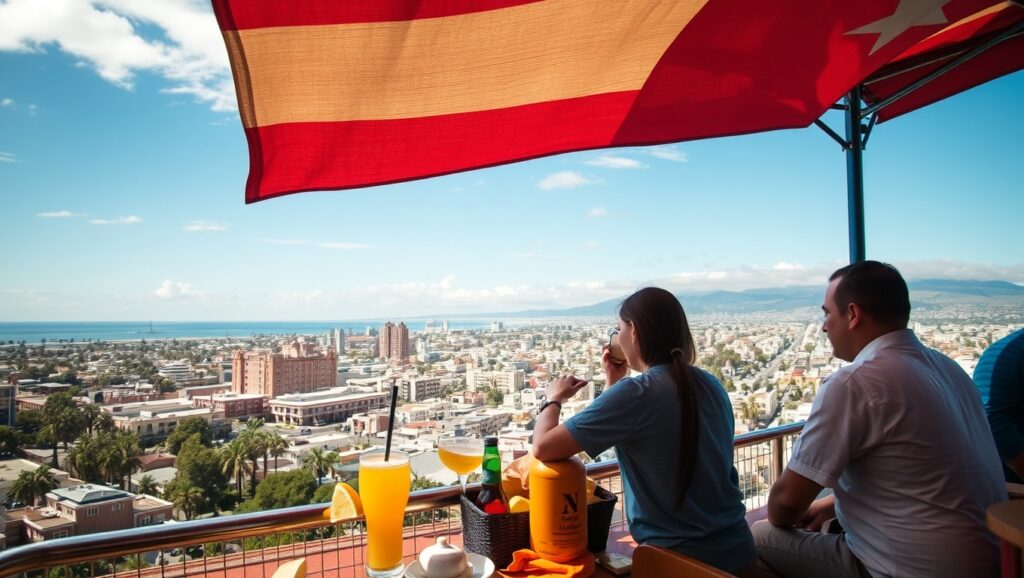
A Tijuana food tour reveals one of Mexico’s most dynamic culinary scenes, where Pacific seafood, Baja-style tacos, and innovative cooking techniques converge. Expect to spend $40 to $80 per person on a guided food tour, or $15 to $25 if you explore neighborhoods and street vendors on your own. The best time to visit is November through April when weather is mild and seasonal ingredients peak. This guide covers authentic dining spots, local markets, and how to book a tour from San Diego.
Why Tijuana’s Food Scene Matters
Tijuana has emerged as one of Mexico’s most recognized culinary destinations. The city sits at the border of Baja California, giving chefs access to Pacific fish, local produce, and cross-border influence.
The food scene reflects the region’s identity: bold flavors, fresh ingredients, and a mix of tradition and innovation. You’ll find multi-Michelin-starred restaurants alongside taco stands that have served the same recipe for 40 years. Locals don’t separate “fine dining” from “street food”—both represent authentic Tijuana cooking.
Elite Mexico Tours offers guided food tours that include hotel pickup from San Diego, bilingual guides, and stops at markets, restaurants, and historic neighborhoods. We handle logistics so you focus on eating.
Essential Tijuana Dishes You Must Try
Tijuana’s signature dishes reflect its location and culture. These are the foods that define the city’s identity and appear on nearly every food tour.
Ceviche and Aguachile
Fresh Pacific fish cured in lime juice defines Baja cooking. Ceviche is raw fish mixed with onion, cilantro, and lime. Aguachile—Tijuana’s answer to ceviche—uses a spicy green sauce made from jalapeños, avocado, and lime instead.
The difference matters: aguachile is hotter, more herbaceous, and uniquely Baja. Fresh local white fish like mahi-mahi or corvina is standard. Expect to pay $8 to $14 per bowl at casual restaurants.
Baja Fish Tacos
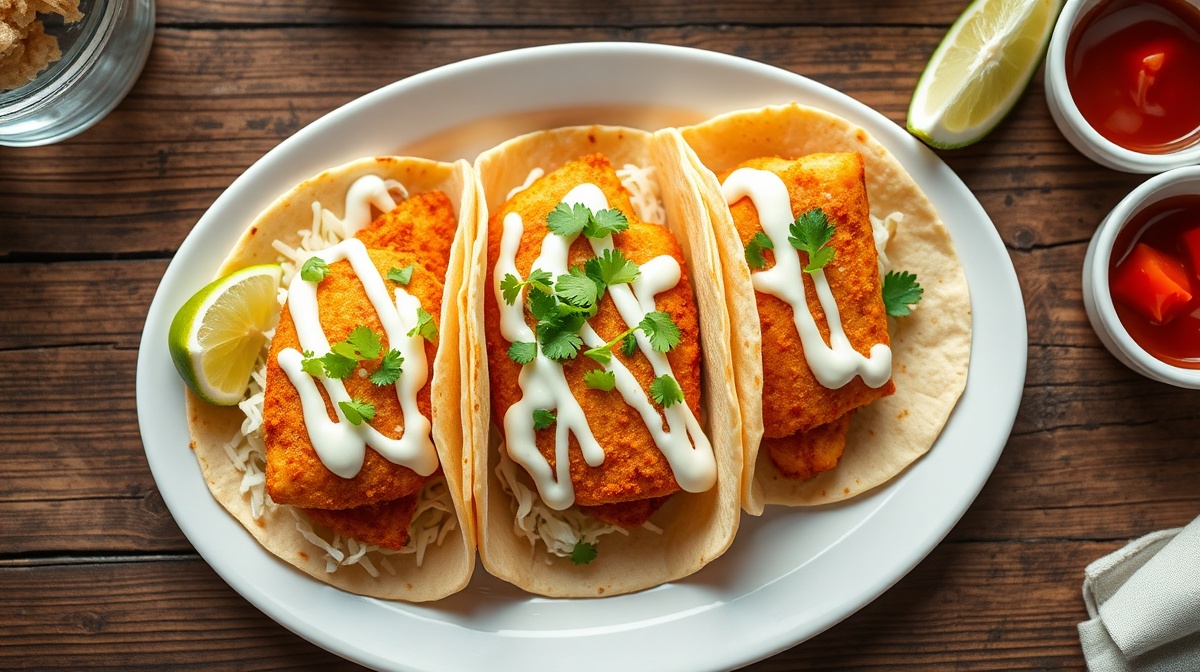
This is what outsiders know Tijuana for—and local chefs take it seriously. Crispy fried white fish or beer-battered mahi-mahi comes in a corn or flour tortilla with shredded cabbage, white sauce (mayo-lime blend), and pico de gallo.
The best versions use fresh-caught daily fish and hand-made tortillas. A taco costs $2 to $4, and most people eat 3 to 4. El Coronado, near the beach, and Oscar’s Mexican Seafood (a Tijuana institution with locations across Southern California) both exemplify the standard.
Carne Asada and Carnitas
Grilled marinated beef defines festive Tijuana eating. Carne asada is thin-sliced beef marinated in citrus and spices, then grilled over charcoal. Carnitas—slow-cooked pork—appears in tacos, tortas, and tostadas.
Both arrive with warm tortillas, lime, onion, and cilantro so you build your own tacos. A full order (usually 3 to 4 tacos) runs $6 to $12 depending on the restaurant.
Ensalada Cesar Tijuana
Caesar salad was invented in Tijuana at Caesar’s Restaurant (Hotel Caesars, Avenida Revolución) in the 1920s. The original recipe used anchovies, garlic, egg, lemon, Worcestershire, and Parmesan—made tableside.
Modern versions simplify, but the best restaurants still prepare it traditionally. A Caesar salad costs $10 to $16, and it’s a must-order when touring Avenida Revolución.
Street Tacos and Carnivore Cuts
Al pastor (pork cooked on a vertical spit), barbacoa (slow-cooked beef), and chorizo tacos are the currency of Tijuana street food. A single al pastor taco costs 50 to 75 cents; a full meal (3 to 4 tacos plus sides) runs $3 to $5.
These vendors operate primarily at night and on weekends. The best spots cluster near neighborhoods like Zona Dorada and around the San Ysidro border crossing.
Top Neighborhoods and Markets for Food Tours
Tijuana’s geography divides the city into distinct food zones. Each neighborhood tells a different story through what it serves.
Avenida Revolución (Centro Histórico)
This is Tijuana’s tourist and dining spine. Historic restaurants, cantinas, and street vendors pack the avenue between Calle 1 and Calle 9. Expect crowds, especially on weekends.
Key stops: Caesar’s Restaurant (original Caesar salad source), Carnitas Snack Bar (carnitas since 1969), and La Tía (fresh seafood cocktails). Allow 4 to 5 hours for a thorough walk with tastings.
Zona Dorada (Golden Zone)
North of downtown, around Paseo de los Héroes and the cultural parks, Zona Dorada is where Tijuana’s middle class eats. Restaurants here serve refined regional food without the tourist markup.
Notable restaurants: Contramar (Baja seafood), Mister A’s (fresh fish and ceviches), and numerous family-run taco stands on side streets. This zone feels more local and less crowded than Avenida Revolución.
El Tororó and Beachfront (Playas de Tijuana)
The Pacific coastline offers fresh-caught fish, shrimp, and ocean views. Beachfront restaurants tend to be pricier ($15 to $35 per entrée), but quality justifies the cost.
The neighborhood of El Tororó, immediately inland from the beach, serves more casual seafood at lower prices. Street tacos and ceviche stands dot the area.
Central de Abastos (Main Market)
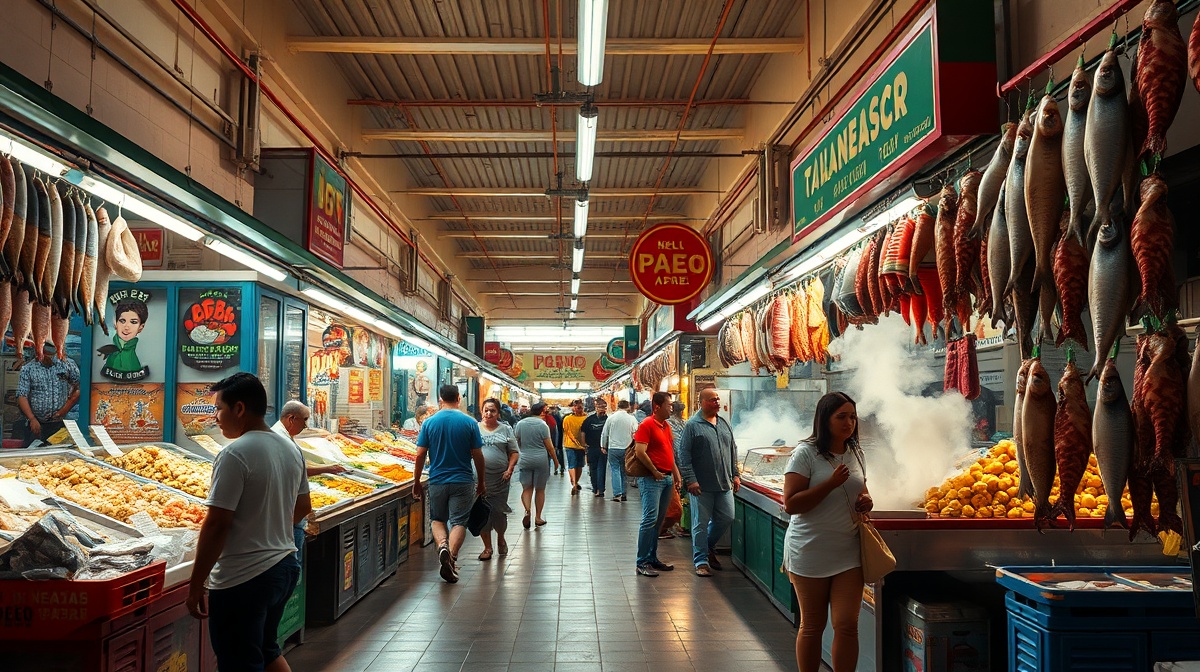
This sprawling public market sits at Avenida Madero and Calle 2. Dozens of food vendors sell fresh produce, meats, seafood, and prepared foods. It’s working-class food, authentic and cheap.
Expect to spend $3 to $8 on a full meal (tacos, torta, or cazuela). The market is best visited in the morning and with a guide if you’re unfamiliar with navigating large Mexican markets.
Mercado Hidalgo
Smaller and more tourist-friendly than Central de Abastos, Mercado Hidalgo combines produce vendors and prepared-food stalls. Seafood cocktails, tamales, and chilaquiles dominate the prepared-food section.
This market sits near the Centro Histórico, making it an easy addition to an Avenida Revolución food tour.
Signature Restaurants Worth the Trip
Some restaurants have become Tijuana dining institutions. These are worth planning a food tour around.
Contramar
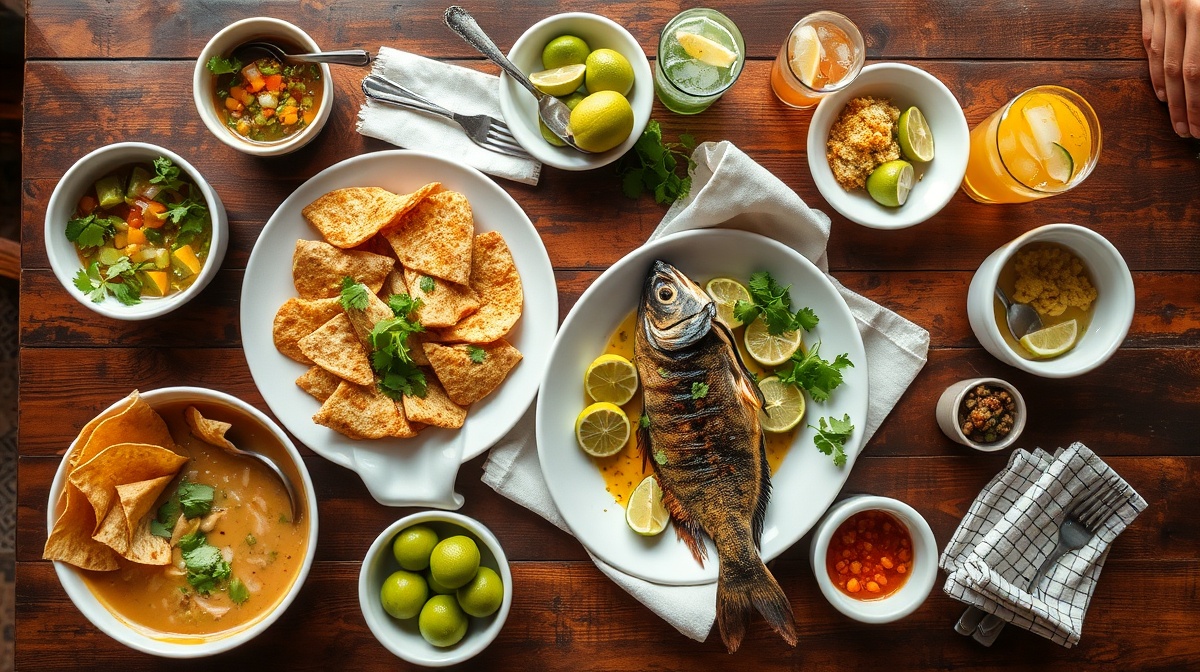
Contramar sits in Zona Dorada and specializes in fresh fish and seafood prepared simply. Grilled whole fish, ceviches, and Baja-style aguachile define the menu. Entrees run $20 to $32. Lunch is busy 1 to 3 p.m.; dinner service starts at 6 p.m.
Mister A’s
Another Zona Dorada institution, Mister A’s focuses on ceviches, seafood cocktails, and grilled fish. The casual vibe contrasts with higher prices ($18 to $28 for entrées), but execution is precise. The aguachile here is spicy and bright—a local favorite.
La Querencia de Ensenada
Located south of downtown, this seafood-focused restaurant serves traditional Baja recipes. Whole grilled fish (usually mahi-mahi or sea bass), clam chowder, and shrimp dishes dominate. Entrees cost $16 to $24. The interior feels like a beach house.
Baja Brewing Company
Situated near Playas de Tijuana, this brewpub pairs craft beer with fish tacos and carne asada. It bridges touristy and local—some Tijuana residents come here, as do San Diego day-trippers. Entrees run $14 to $22.
Carnitas Snack Bar
This family-run stand has served the same recipe since 1969. Carnitas tacos, tortas, and platters pack the counter from lunch through dinner. A full meal costs $4 to $7. This is the opposite of fine dining—it’s working-class authenticity.
How to Book a Guided Tijuana Food Tour from San Diego
Guided tours remove logistics stress and add cultural context. Here’s what to expect and how to plan.
Tour Format and Duration
Most Tijuana food tours run 4 to 6 hours and include 4 to 6 stops. A typical tour starts with hotel pickup in San Diego (either San Diego airport or your accommodation), crosses the border via the San Ysidro checkpoint, and returns by early evening.
Guides are bilingual and handle all border logistics. You’ll visit markets, street vendors, and sit-down restaurants. Some tours include wine (Valle de Guadalupe is 90 minutes south) or beer pairings.
Pricing and What’s Included
Guided food tours cost $75 to $120 per person. The price typically includes transportation from San Diego, guide service, and some food and drink, but NOT all meals. You’ll spend an additional $20 to $40 on food at stops the tour doesn’t cover.
Border crossing fees are your responsibility (passport required). Mexican vehicle insurance is covered if you book with Elite Mexico Tours.
Best Time to Book
Book 2 to 3 weeks in advance for weekend tours. Weekday tours have more availability and smaller groups. November through April is peak season—mild weather and fresh seasonal ingredients make this the ideal window.
Summer (June to August) is hot and humid; some restaurants reduce hours. Avoid major Mexican holidays when restaurants close or operate limited hours.
What to Bring
Bring your passport (required for border crossing), comfortable walking shoes, and a light jacket for evening. Bring cash in both USD and Mexican pesos—many street vendors and small restaurants don’t accept cards. Most guided tours provide a credit card option at established restaurants.
Wear sunscreen and bring water. Street-level food tours involve 2 to 3 hours of walking.
Border Crossing Tips
When booking with Elite Mexico Tours, we handle your transportation across the San Ysidro border. Wait times average 30 to 45 minutes southbound (afternoon, returning to San Diego) and 15 to 30 minutes northbound (morning crossing into Tijuana). Peak wait times hit 5 to 7 p.m. on weekends.
Expect TSA-style scanning and passport checks. The process is straightforward if you have a valid passport. Enhanced driver’s licenses and trusted traveler programs (SENTRI) speed up the return.
Street Food Safety and Etiquette
Street food in Tijuana is generally safe when you follow basic rules. Eat where locals eat and avoid water from unlabeled sources.
Street vendors maintain high food standards because reputation is everything. Watch the food being prepared. If the setup looks clean and busy—that’s a good sign. Avoid unrefrigerated mayonnaise-heavy dishes in extreme heat.
Bottled water is essential; don’t drink tap water or ice. Most restaurants serve purified water, but bottled water from convenience stores is cheap insurance.
Tipping is standard in Mexico. For street vendors, round up or leave 10-15 pesos. At sit-down restaurants, 15% is customary if service is included (check the bill). Cash tips are preferred.
Seasonal Ingredients and What’s Fresh When
Tijuana’s food calendar follows the Pacific coast and local agriculture. Understanding what’s in season makes a food tour more rewarding.
November to February: Peak seafood season. White fish (corvina, mahi-mahi), shrimp, and lobster are abundant and cheap. Citrus fruits peak. This is the best window for ceviches and raw seafood.
March to May: Spring vegetables arrive. Asparagus, artichokes, and greens feature in restaurant preparations. Fish remains excellent.
June to August: Warm weather, but some restaurants reduce hours due to heat. Carne asada and grilled dishes dominate street food. Mango and watermelon peak.
September to October: Late summer produce. Chilies are fresh. Tourist season drops; restaurants are less crowded.
Beyond Tijuana: Day Trips to Ensenada and Valle de Guadalupe
A Tijuana food tour can extend south. Ensenada (90 minutes) and Valle de Guadalupe (90 minutes from Tijuana) are both reachable day trips.
Ensenada is a fishing town famous for seafood and fish tacos. The waterfront restaurants are pricier ($20 to $35) but justify cost with quality. Valle de Guadalupe is Baja’s wine country—tasting rooms, farm-to-table restaurants, and vineyard tours dominate.
Elite Mexico Tours offers multi-day itineraries combining Tijuana food, Ensenada seafood, and Valle de Guadalupe wine. These run $200 to $400 per person including lodging and meals.
FAQ: Tijuana Food Tours
Is it safe to eat street food in Tijuana?
Yes. Street food in Tijuana is generally safe if you follow basic rules: eat where locals eat, watch food being prepared, drink bottled water, and avoid unrefrigerated items. The busier a stand, the fresher the food and the lower the risk.
How much does a Tijuana food tour cost?
Guided food tours from San Diego run $75 to $120 per person, including hotel pickup and transportation. Add $20 to $40 for additional meals not covered by the tour. Street food on your own costs $3 to $8 per meal.
What’s the best neighborhood for a food tour?
Avenida Revolución in Centro Hist��rico is most famous and accessible. Zona Dorada feels more local and less touristy. A full food tour typically combines both plus markets or beachfront restaurants depending on preferences.
Do I need a passport for a Tijuana food tour?
Yes, a valid passport is required to cross the U.S.-Mexico border. Enhanced driver’s licenses and SENTRI pass holders can use those instead. Always carry your passport during the tour in case of random document checks.
When is the best time to visit for a food tour?
November through April offers ideal weather and peak seafood season. Summer is hot and humid, with some restaurant closures. Avoid major Mexican holidays (Día de Muertos, Christmas, New Year) when restaurants operate limited hours.
Ready to Book Your Tijuana Food Tour?
Let Elite Mexico Tours handle the details. Hotel pickup, bilingual guide, and authentic Baja cuisine.