Is Tijuana safe for a day trip? Yes—thousands of Americans cross safely every day. The key is knowing which neighborhoods welcome tourists, following practical street smarts, and choosing transportation that keeps you protected. This guide walks you through real safety facts, specific safe areas, and how to make your Tijuana experience both adventurous and secure.
The Real Safety Picture: Tijuana vs. Your Assumptions
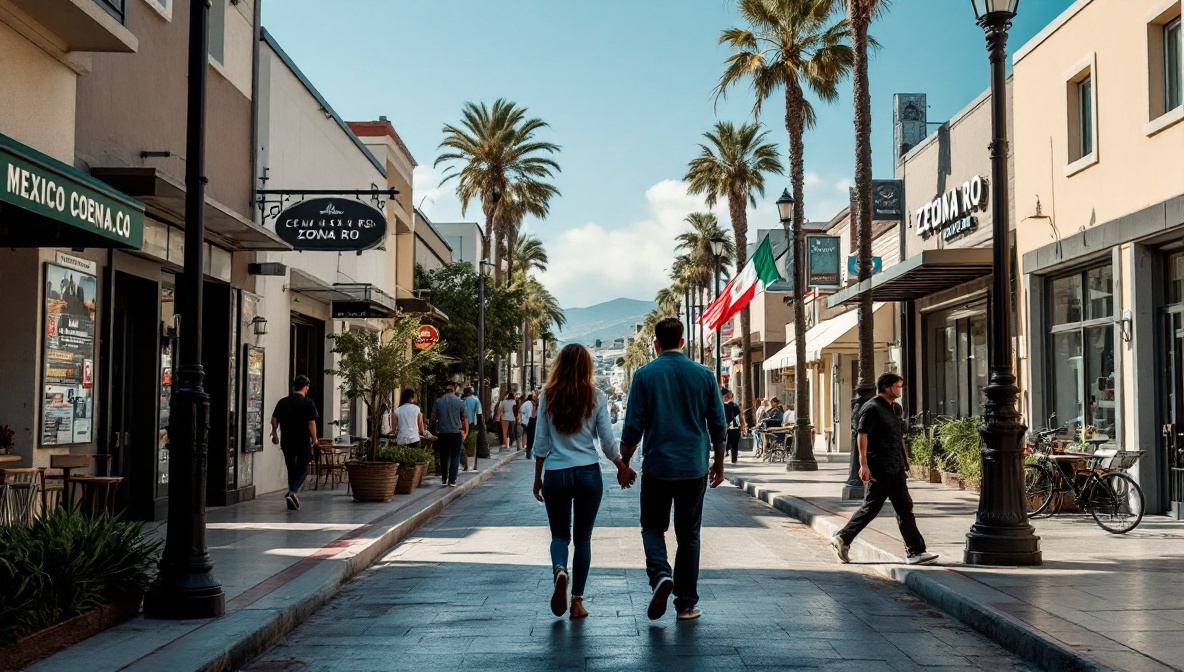
Most American travelers arrive in Tijuana with exaggerated fears shaped by news headlines and secondhand stories. The reality is more nuanced. Tourist areas in Tijuana—Avenida Revolución, the Zona Río, and the Cultural Center district—operate under heavy security and host millions of day-trippers annually without incident.
Violent crime in Tijuana is concentrated in neighborhoods tourists never visit. The cartel activity that makes international news happens in industrial zones, ports, and residential areas miles from the tourist corridor. Your typical day trip (midday walking tour, lunch at a known restaurant, return by evening) puts you in the safest pocket of the city.
According to the U.S. State Department’s 2026 travel advisory, Tijuana is rated Level 2 (Exercise Increased Caution)—the same level as parts of Chicago and several U.S. cities. This means “heightened awareness,” not avoidance.

The Safest Neighborhoods for Day Trippers
Not all of Tijuana is equally safe, and locals know exactly where to send visitors. Three zones concentrate the vast majority of tourist infrastructure and security presence.
Avenida Revolución (Downtown Tourist Core)
This is ground zero for American day-trippers. The main pedestrian strip spans about 10 blocks and is packed with restaurants, bars, souvenir shops, and pharmacies. Police presence is constant (you’ll see uniformed officers every block). Crowds provide natural safety—pickpocketing is the main risk, not violent crime. Visit between 10 a.m. and 8 p.m. and keep your phone in a front pocket.
Zona Río
This upscale neighborhood sits just south of the border crossing and houses the Tijuana Cultural Center, high-end restaurants, galleries, and the Grand Hotel Tijuana. It feels like a modern Mexican city center—clean, organized, with security presence. Americans shopping, dining, or catching a cultural event here encounter virtually zero risk.
The Cultural Center District
The Centro Cultural Tijuana (CECUT) anchors a pedestrian-friendly zone with museums, plazas, and restaurants. Families and groups visit regularly. The architecture is contemporary Mexican, the grounds are well-maintained, and foot traffic includes locals and tourists together. Daytime visits are entirely comfortable.
Plan Your Tijuana Day Trip Today
Let Elite Mexico Tours handle your transportation and logistics—we know every safe route
Real Safety Hazards You Actually Need to Know About
Understanding the actual risks (not the imaginary ones) helps you stay safe. The dangers tourists face in Tijuana are mundane, not sinister.
Pickpocketing and Petty Theft
This is your biggest real risk—not violence, but a hand dipping into your bag on a crowded street. Keep your phone in a front pocket, your wallet in a zippered compartment, and your day-pack in front of you on crowded Avenida Revolución. Don’t carry your passport; leave it at your hotel. Carry a photocopy instead.
Counterfeit Pharmacies and Fake Products
Tourists often buy prescription medications (Viagra, antibiotics, painkillers) without a prescription—a common reason for the day trip. Counterfeit pills are a real issue. Only buy from IMSS (Instituto Mexicano del Seguro Social) or licensed pharmacies you can verify. Never buy from street vendors or unmarked shops.
Alcohol and Overcharging
Bar tabs in tourist areas are often padded. Ask the price before ordering a drink. Drunk tourists are vulnerable targets for theft and scams. Pace yourself and stay aware.
Getting Lost After Dark
The real danger zone is stumbling into unfamiliar neighborhoods after sunset. Stick to main streets, use your phone’s offline map, and head back to the border crossing by 7 or 8 p.m. Once you’re off Avenida Revolución or Zona Río in the dark, you’re out of the tourist safety net.
The Role of Transportation in Your Safety
How you cross the border and move around Tijuana matters tremendously. A guided car service changes your risk profile entirely.
Elite Mexico Tours operates a private car service that handles your San Diego to Tijuana logistics. Our drivers are TCP-licensed and hold Mexican driving permits, meaning they know the safest routes and won’t get you lost. You’re not navigating alone via Uber or walking unfamiliar streets; you’re in a secured vehicle with a professional who speaks English and Spanish fluently.
For the border crossing itself, you have two main options:
- San Ysidro Land Crossing: Walk across on foot (30 minutes) or drive if you have a Mexican auto insurance policy. This is the most common route and entirely safe during daylight hours.
- CBX (Cross Border Xpress): If you’re flying out of Tijuana International Airport (TIJ), the enclosed pedestrian skybridge at 2745 Otay Pacific Dr connects directly to the airport terminal. It’s paid, ticketed-travelers-only, and completely secure. You buy the CBX pass through their official website or app, not through Elite Mexico. Our drivers drop you at the CBX terminal and pick you up from it—we handle the car, you handle the walk across.
The CBX option is the safest entry point because you skip the crowded land border entirely and arrive straight at the airport. It’s premium convenience, not necessity—but if you’re anxious, it’s worth the fee.
Street Smarts Every Day Tripper Needs
Safety in Tijuana is 80% common sense. Follow these rules and you’ll have the same risk profile as any major city visit.
- Stick to daylight hours: Visit between 9 a.m. and 7 p.m. The city transforms after dark—not catastrophically, but noticeably less safe.
- Stay on main streets: Avenida Revolución, Calle Primera, and Zona Río are monitored. Side streets can be sketchy.
- Dress down: Leave expensive jewelry at home. Don’t flash a fancy camera or an Apple watch. You want to blend with other tourists, not look like a high-value target.
- Don’t carry large amounts of cash: Use ATMs inside banks or major stores, not street-side machines. Withdraw what you’ll spend that day and keep it in your front pocket.
- Keep your phone charged: A dead phone is a problem. Bring a portable charger or use charging stations at restaurants.
- Learn basic Spanish: “¿Dónde está la farmacia?” (Where is the pharmacy?) and “¿Cuál es el precio?” (What is the price?) help you avoid confusion and overpaying.
- Trust your gut: If a neighborhood feels off, leave. Your instinct is usually right.
Medical Tourism: Why Americans Go and How to Stay Safe
One of the biggest draws for day-trippers is affordable dental work, prescription medications, and cosmetic procedures. Mexico has excellent healthcare providers at a fraction of U.S. prices.
The safety risk here is choosing an unaccredited clinic or unlicensed practitioner. Stick to:
- Facilities with official Mexican health ministry certification (Secretaría de Salud)
- Dentists and doctors who have U.S. licenses or training credentials
- Clinics located in Zona Río or verified neighborhoods, not side streets
- Providers recommended by your U.S. doctor or established cross-border medical networks
The pharmacies where you buy antibiotics or pain medication should display their registration. Look for the IMSS logo or a government certification plaque. If you can’t verify the source, don’t buy.
What Makes Tijuana Safe for Day Trips (The Real Reasons)
Tijuana has invested heavily in tourism infrastructure because it drives revenue. The city’s government, local police (Policía Municipal), and business associations have strong incentives to keep the tourist corridor safe. You’ll notice more police on Avenida Revolución than most American downtowns.
Tourist spending also means security cameras, monitored businesses, and predictable crowds. The areas where tourists spend money are, by definition, the areas the city protects.
Additionally, the U.S.-Mexico border area is heavily patrolled. Border Patrol, DEA, and federal agents operate throughout Tijuana’s northern zone. Cartel activity, when it occurs, stays away from the U.S. border interface because that brings federal attention.
The cultural reality also matters: Mexicans value hospitality. American tourists are a cultural and economic asset. Most Tijuanans—merchants, residents, service workers—are genuinely friendly and want your experience to be good.
The Bottom Line: Is It Safe? Yes, With Conditions
Is Tijuana safe for a day trip? Absolutely—if you follow practical rules and choose your timing and neighborhoods wisely. Millions of Americans make the trip annually without incident.
The key conditions are:
- Visit established tourist zones (Avenida Revolución, Zona Río, Cultural Center)
- Go during daylight (9 a.m.–7 p.m.)
- Use a secured car service or taxi from a registered stand—not a random street hail
- Keep valuables secure and cash limited
- Return to the border crossing before dark
- Avoid unmarked pharmacies, counterfeit goods, and side streets
Elite Mexico Tours specializes in managing the logistics side so you can focus on the adventure. We provide ground transportation with TCP-licensed drivers who know the safest routes and neighborhoods. You handle the cultural experience; we handle the safe arrival and departure. That combination makes for a worry-free day trip.
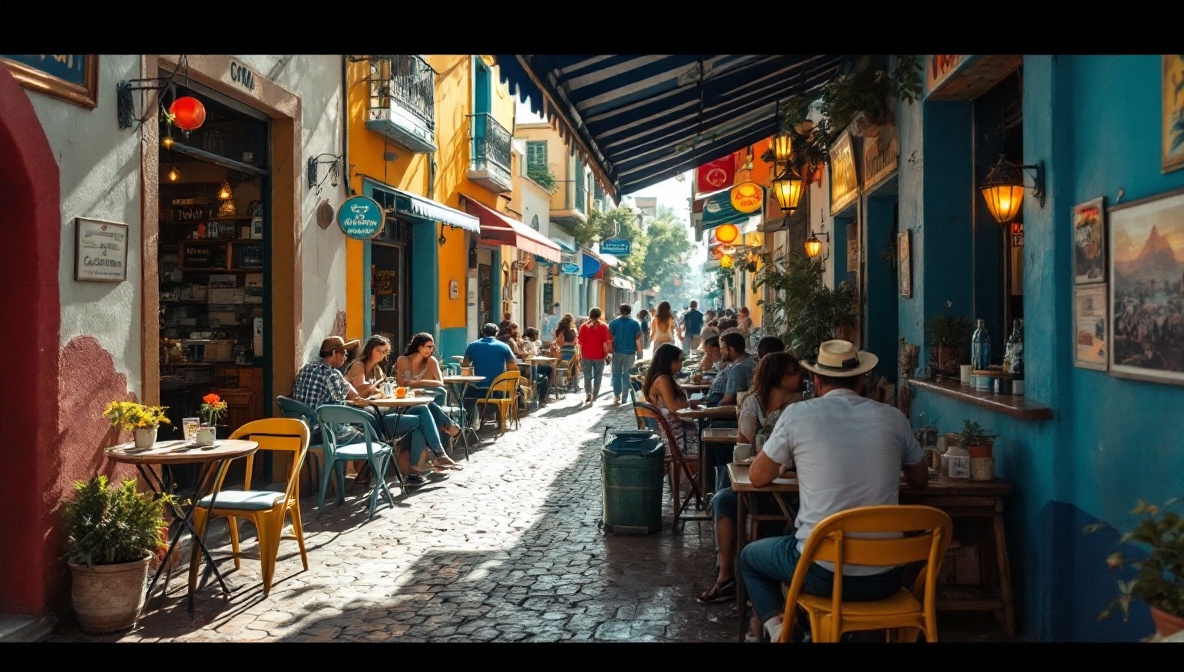
Tijuana offers authentic Mexican culture, excellent food, affordable shopping, and friendly people. The danger is real but small and avoidable. Don’t let fear stop you from one of the easiest international day trips you can take from San Diego.
Frequently Asked Questions
What’s the safest way to cross the border from San Diego to Tijuana?
The safest method is a private car service (like Elite Mexico Tours) during daylight, or CBX if you’re flying out of Tijuana airport. CBX is an enclosed pedestrian skybridge—no exposure to street activity. The San Ysidro land crossing is also safe during the day but involves a 30-minute walk through a busy port of entry.
Can I use Uber or Lyft in Tijuana?
Both operate in Tijuana, but they’re less secure than a pre-booked car service because drivers are independent contractors and you have no background on them. A licensed private car service provides accountability and a known driver—better peace of mind for a first-time visitor.
Should I carry my passport on a day trip to Tijuana?
No. Leave your passport at your hotel and carry a color photocopy. If you’re pickpocketed, losing a copy is an inconvenience; losing your real passport requires a trip to the U.S. Embassy in Mexico City to replace it—a nightmare. Customs will accept a photocopy for your return.
What time should I be back at the border to return to the U.S.?
Aim to be back by 7 or 8 p.m. at the latest. The land border crossing is busy until around 10 p.m., but safety decreases significantly after dark. A same-day return (leave San Diego morning, return evening) is the standard safe practice for day-trippers.
Is it safe to buy prescription medications in Tijuana pharmacies?
Yes, if you use licensed pharmacies with government certification (look for IMSS logos or official plaques). Avoid street vendors and unmarked shops. The main risk is counterfeit products, not the pharmacies themselves. Verify the pharmacy’s credentials before buying.
Ready to Experience Tijuana Safely?
Elite Mexico Tours handles your transportation. You handle the adventure. Book your day trip now.