Whale Watching Tours from Ensenada: Complete Season Guide
Gray whale season in Ensenada runs from December through April, with peak viewing in January and February when whales migrate through the Pacific coastal waters near Baja California. Most tours depart from Ensenada’s working harbor and last 3-5 hours, costing $60 to $120 per person depending on boat size and operator. Whales often come within 100 feet of boats during peak season, making sightings highly reliable if weather cooperates. Here’s everything you need to know to plan your whale watching adventure from Ensenada.
When Whale Season Happens in Ensenada
Gray whales begin their migration south from Alaska’s Arctic waters in October and November. They travel down the Pacific coast toward breeding lagoons in Baja California, Mexico—specifically in Laguna Ojo de Liebre, Laguna San Ignacio, and Laguna Magdalena.
From Ensenada’s harbor, whales are visible from mid-December through early April. The migration northbound (heading back to Alaska) occurs February through May, extending viewing opportunities into spring.
Peak Whale Watching Season (January–February)
January and February deliver the highest concentration of gray whales passing through Ensenada waters. Water temperatures hover around 55–60°F, seas tend to be calmer mid-week, and whales move slowly during their journey, increasing sighting odds to 85–95%.
Weekend crowds are heaviest during these months. Book tours early in the morning (6 AM or 7 AM departures) to avoid afternoon swells and afternoon crowds at the dock.
Shoulder Seasons (December & March–April)
December sees the first wave of southbound migrants. Sightings are good but less frequent than January–February, with 70–80% sighting rates.
March and April capture whales on the northbound journey back to feeding grounds. April offers mild weather and fewer tourists, though seas rougher than winter months. Sighting reliability drops to 60–70% as whales spread across a wider migration window.
Off-Season (May–November)
From May through November, gray whales are either in Arctic feeding grounds or lagoons deep in Baja. Ensenada tours do not operate during these months—most operators shut down or pivot to other marine-wildlife trips like dolphin watching in summer.
What Whale Species You’ll See from Ensenada
The gray whale dominates Ensenada tours, but other cetaceans appear seasonally in the same waters.
Gray Whales (Primary Species)
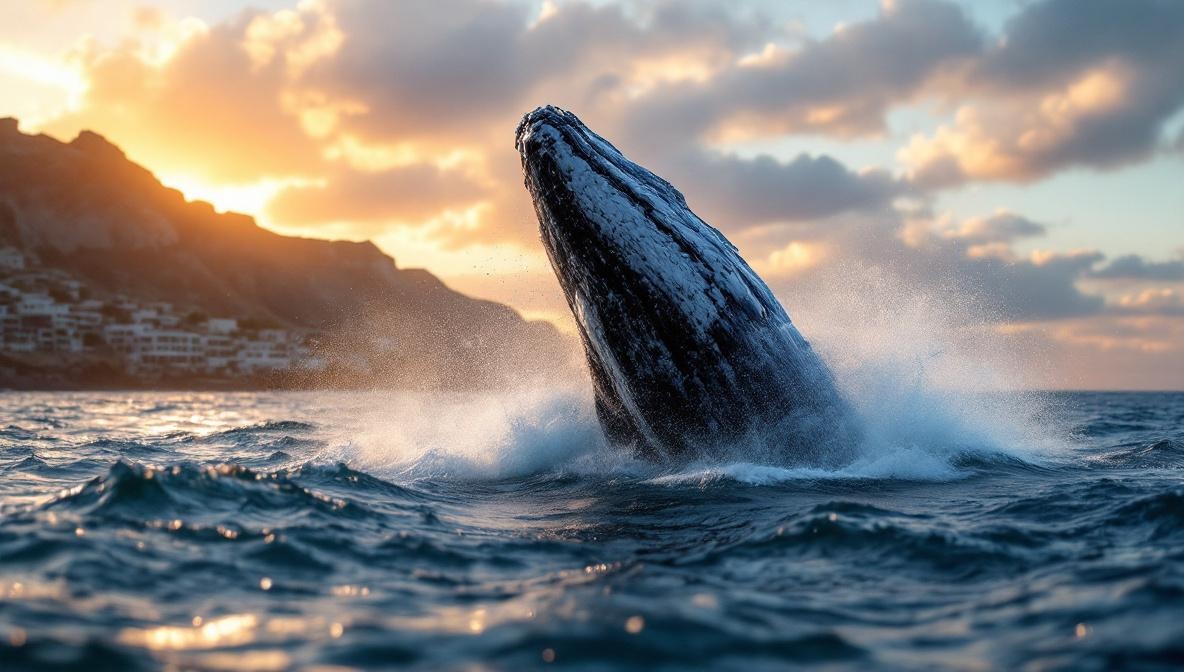
Gray whales are 45–50 feet long, with mottled gray skin and barnacle patterns visible up close. They migrate 12,000+ miles annually, the longest migration of any mammal on Earth. From Ensenada boats, you’ll often see spouts, tail flukes, and occasional breaches.
Grays are curious and sometimes approach boats on their own, especially in calm water. This behavior—called “friendlies”—is most common during southbound season (December–January) near Punta Banda, just north of Ensenada.
Humpback Whales (December–May)
Humpback whales (40–50 feet) appear less frequently but are unmistakable. Their long pectoral fins, acrobatic breaches, and loud songs make them highly prized sightings. Peak humpback season from Ensenada is January–March, though they’re less common than grays—expect to see them on 20–30% of tours if conditions are right.
Fin Whales (Year-Round, Peak in Winter)
Fin whales (55–65 feet) are the second-largest animal on Earth. They’re faster and more elusive than grays, but winter feeding grounds near Ensenada bring them closer to shore. Sightings are less common than gray whales but highly exciting.
Dolphins and Sea Lions (Bonus Species)
Tours almost always encounter Pacific white-sided dolphins, Risso’s dolphins, or California sea lions. These are bonus sightings—often more active and playful than whales, adding energy to the experience.
Whale Watching Tour Operators in Ensenada
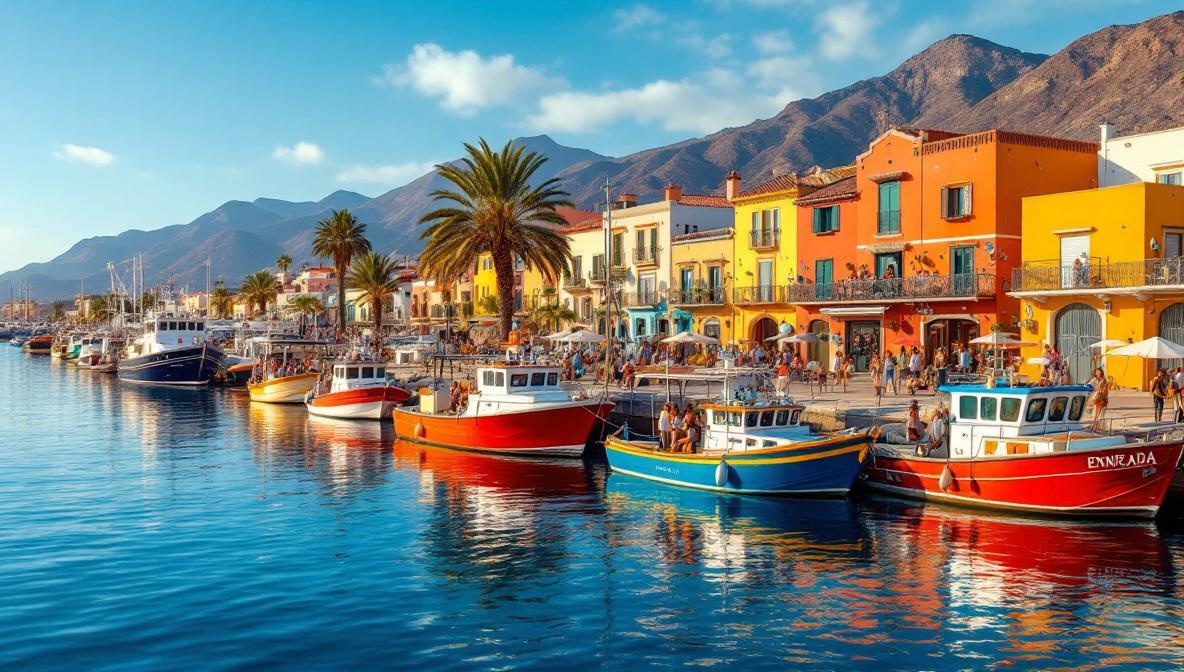
Most whale watching tours depart from Ensenada’s main commercial dock (Puerto de Ensenada) in downtown Ensenada, about 90 minutes south of San Diego via Highway 1. All reputable operators carry Mexican permits and carry naturalist guides or crew trained in marine biology.
Tour Logistics and Booking
Tours run 3–5 hours depending on operator and sea conditions. Morning departures (6–7 AM) are most common and offer the calmest seas. Afternoon tours (1–2 PM) are available but encounter rougher conditions.
Boats range from 30-passenger rigid-hull inflatables (faster, wetter, more thrilling) to 60+ passenger cabin cruisers (stable, warm, better for families). Prices are $60–$120 per adult, with discounts for children ages 4–12 (typically $40–$70).
Most operators require advance booking 1–2 days ahead during peak season. Walk-ups are possible but risky if a tour fills up. Cancellations due to weather are common—operators will reschedule you or issue a refund.
What’s Included
Standard packages include boat transportation, a crew member or naturalist guide, and whale-sighting guarantees (most operators offer rescheduled tours at no charge if no whales are sighted). Some operators add coffee and pastries; others include fish-and-chips lunch on longer trips.
Life jackets are provided but not always comfortable. Bring your own or ask ahead if a fitted jacket is available. Seasickness medication (Dramamine or ginger supplements) is recommended even for experienced travelers—Baja waters can be rough.
Ready to Book Your Whale Watching Tour?
Elite Mexico Tours arranges whale watching trips from Ensenada with experienced guides and flexible scheduling.
Weather and Sea Conditions by Month
Ensenada’s marine weather shifts throughout whale season. Understanding seasonal conditions helps you pack and manage expectations.
December Weather
December brings cool air (50–60°F) and moderate seas. Storms are possible, leading to cancellations. Dress in layers—you’ll warm up in the sun but cool down on the water.
January–February (Best Conditions)
Winter months are typically the calmest and clearest of whale season. Seas average 4–6 feet, and visibility is good. Temperatures are cool (48–55°F), but fewer rainy days mean higher tour reliability.
Wind picks up in afternoon hours, so early departures yield smoother rides. Mid-week tours (Tuesday–Thursday) see fewer crowds and sometimes calmer conditions than weekends.
March–April (Rougher Water)
Spring brings warmer air (55–65°F) and stronger Pacific swells, especially in afternoons. Sea states can reach 6–10 feet, making for a bouncier ride. Seasickness is more common in March–April than winter months.
April offers the warmest temperatures and fewer tourists. If you’re sensitive to motion, book a larger cabin cruiser rather than a fast inflatable.
Packing and Preparation Tips
Whale watching is an outdoor marine experience. Smart packing ensures comfort and safety.
Essential Items
- Waterproof jacket or rain shell: Even if it doesn’t rain, spray from the bow soaks passengers in front. A lightweight waterproof layer is non-negotiable.
- Layers: Air temperature may be 55°F, but windchill on the water feels 10–15 degrees colder. Bring a fleece or thermal underlayer.
- Closed-toe shoes with grip: Boat decks are wet and slippery. Leave flip-flops at the hotel.
- Sunscreen and sunglasses: Reflection off the water intensifies UV exposure. Apply SPF 30+ every 2 hours.
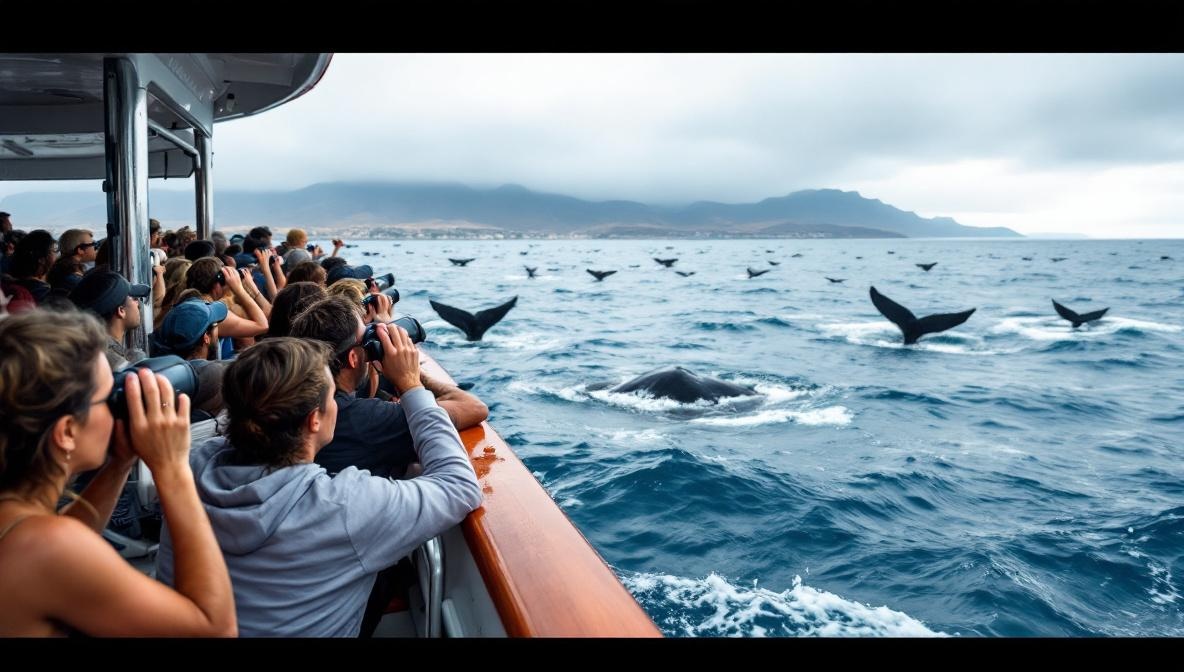
- Binoculars (optional): Whales are visible to the naked eye, but 7×50 binoculars let you see spouts and breaches from greater distances. Most tour guides have spotting scopes you can use.
- Camera with telephoto lens: A 200mm–400mm lens captures decent whale photos. Cell phone photos rarely work—whales are too far away.
Medication and Health
Seasickness affects 30–40% of whale watchers, especially in rough seas. Take Dramamine or Bonine 30 minutes before boarding. Ginger supplements or wristbands (acupressure) work for some people; effects are unpredictable.
Eat a light breakfast (toast, fruit, granola) but avoid dairy or greasy food before the tour. Hydrate well—dehydration worsens nausea.
Bring any prescription medications in their original labeled bottles. The tour boat has no pharmacy, and Ensenada pharmacies (farmacia) require Mexican ID for most medications.
Getting to Ensenada from San Diego
Ensenada is 70 miles south of San Diego, about 90 minutes via Highway 1 through Tijuana. Elite Mexico Tours offers pickup from San Diego hotels, the airport, or the border and transportation to Ensenada for whale watching tours.
Driving Yourself
If you rent a car, drive south on I-5 to the San Ysidro border (Mexican customs takes 15–45 minutes). Follow signs to Highway 1 South toward Ensenada. Gas is cheaper south of the border, and parking at the harbor costs $5–$10 for the day.
You’ll need Mexican auto insurance (not covered by US policies). Buy it at the border or online beforehand; expect $20–$40 for daily coverage.
Return to San Diego by 6 PM to avoid evening border traffic (heaviest 4–6 PM). The northbound crossing takes 45–90 minutes depending on time of day.
Organized Tour Packages
Elite Mexico Tours includes whale watching, ground transportation from San Diego, a bilingual guide, and lunch. This takes the logistics stress off you and ensures a timely border crossing back to the US. Packages cost $200–$350 per person depending on tour tier.
Cost Breakdown and What to Expect
Whale watching from Ensenada is affordable compared to other wildlife tours. Here’s realistic pricing:
- Boat tour only: $60–$120 per person (3–5 hours)
- Tour + lunch: $80–$150
- Full-day package (transport from San Diego + tour + guide): $200–$350 per person
- Private group tour (10+ people): $1,500–$2,500 for the entire boat (not per person)
Children under 4 are sometimes free; ages 4–12 typically cost 50–70% of adult price. Seniors receive no standard discount but may negotiate on group rates.
Gratuity for crew is customary (15–20% of the tour cost). This goes to naturalists and deck crew, not the boat owner. Pay in USD or pesos—both are accepted.
Sighting Guarantees and Reschedule Policies
Most reputable Ensenada whale watching operators offer sighting guarantees or reschedule policies. If you don’t see a whale in the tour duration, you can rebook at no additional charge on a future date (within the same season).
Guarantees typically exclude:
- Tours canceled due to severe weather (your choice to reschedule or receive a refund)
- Tours where you arrive late or miss departure
- Medical emergencies or cancellations initiated by the guest
Ask about the guarantee policy before you book. Some operators are more flexible than others. Check online reviews (TripAdvisor, Google) for feedback on how operators handle no-show whale days.
FAQ: Whale Watching Tours from Ensenada
What is the best time to see whales in Ensenada?
January and February offer the highest concentration of migrating gray whales, calm seas, and sighting rates above 85%. December and March–April are good but less reliable. Tours do not operate May–November when whales are in Arctic feeding grounds or southern breeding lagoons.
How close do the boats get to whales?
Federal law requires boats to stay at least 100 yards (300 feet) away from whales. In practice, boats often position themselves 100–300 feet away, and curious gray whales sometimes approach the boat voluntarily, coming as close as 50 feet. Breaches and tail flukes are visible at this distance with the naked eye.
Can I bring my own binoculars or camera?
Yes, bring binoculars and a camera with a telephoto lens. Most tour crews provide spotting scopes you can use for free. Phone cameras rarely capture good whale photos because of distance and boat motion—a 200mm–400mm lens is much better.
Is seasickness common on whale watching tours?
Seasickness affects 30–40% of whale watchers, especially in rough seas (March–April) or on smaller inflatable boats. January–February seas are calmer. Dramamine, ginger supplements, or acupressure wristbands reduce symptoms. Eat a light breakfast and stay hydrated. If you’re prone to motion sickness, choose a larger cabin cruiser over a fast inflatable boat.
What happens if we don’t see any whales?
Most operators offer a complimentary rescheduled tour within the same whale season if no whales are sighted. Ask about this policy before booking. Sighting rates are 85–95% in peak season (January–February), so failures are rare.
Do I need a passport to visit Ensenada for whale watching?
Yes, a valid US passport or passport card is required to re-enter the United States. A Real ID driver’s license alone is not sufficient for border crossing. Minors need passports or passport cards.
Can I drive to Ensenada, or should I book a tour package with transportation?
You can drive yourself (route: I-5 South to San Ysidro border, then Highway 1 to Ensenada—90 minutes total). You’ll need Mexican auto insurance ($20–$40 for the day). Alternatively, book a package tour that includes San Diego pickup, bilingual transportation, and guide—this costs $200–$350 per person but eliminates border-crossing stress and language barriers. Elite Mexico Tours offers both options.
Final Tips for Your Ensenada Whale Watching Adventure
Whale watching from Ensenada is one of the best value wildlife experiences on the Pacific coast. Gray whales are predictable, abundant, and often curious—making sightings reliable in peak season.
Book in advance during January–February. Plan for 5–6 hours total (including travel and harbor setup). Pack waterproof layers, sunscreen, and seasickness medication. Bring binoculars and a good camera if you’re interested in photography.
Most importantly, accept that weather might cancel or reschedule your tour. Winter seas are unpredictable. If your first attempt is rained out, use the reschedule guarantee to return when conditions improve—you’ll still see whales.
For a stress-free experience with a bilingual guide and hotel pickup from San Diego, contact Elite Mexico Tours at 619-625-6225 or visit elitemexicotours.com. We handle logistics so you can focus on the whales.
Ready to See Gray Whales in Their Migration?
Book your Ensenada whale watching tour today with Elite Mexico Tours. We provide transportation, expert guides, and unforgettable marine wildlife experiences.